

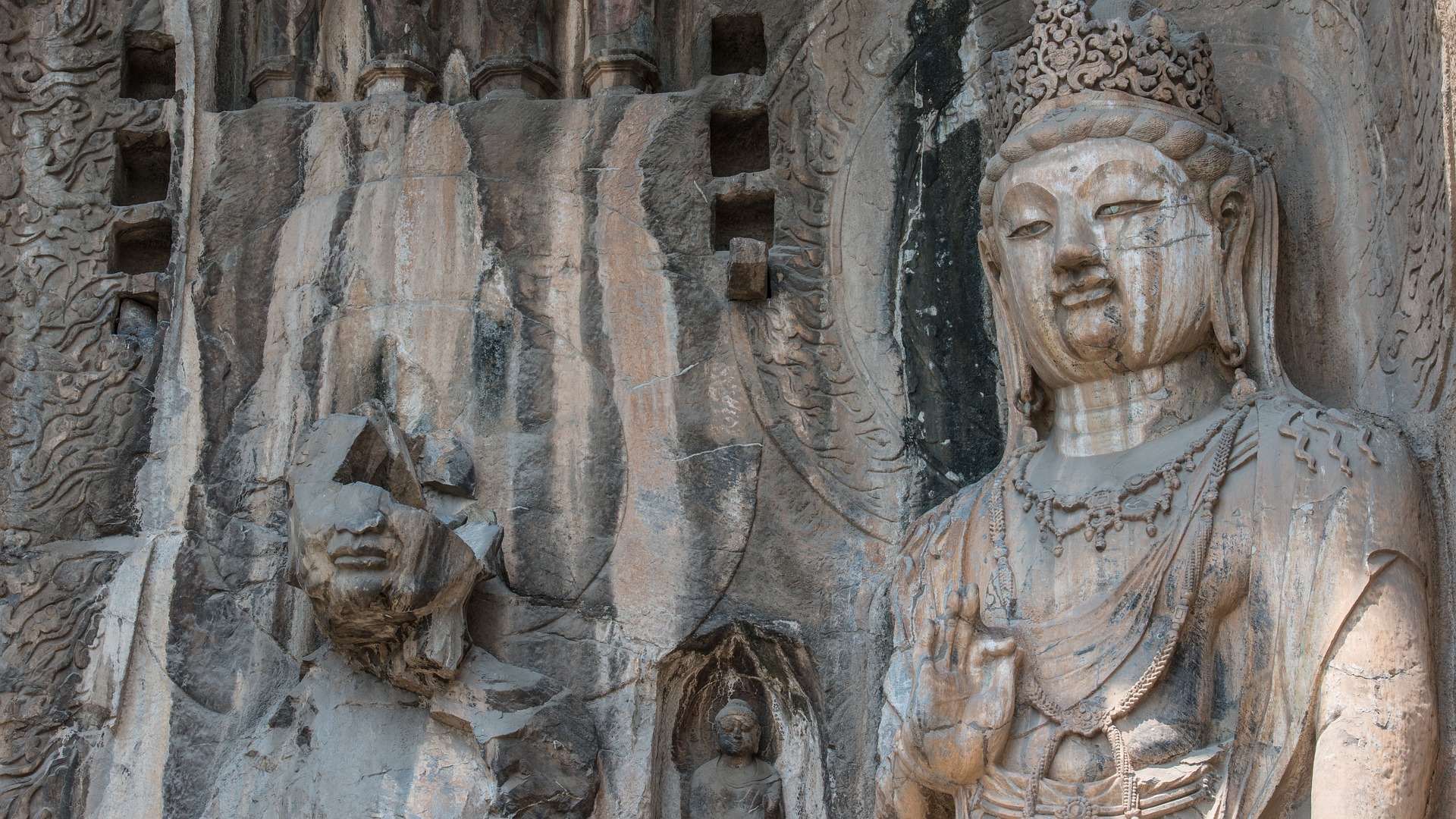
Chengdu, the capital of Sichuan Province in China, is located in the southwest of the country, with a population of around 20 million. As a city with over 2,000 years of history, Chengdu was the capital of several ancient dynasties. It is not only the political, economic, and cultural center of Sichuan, but also one of the most charming tourist destinations in China.
Chengdu is the capital of Sichuan Province, but there are many other fascinating and fun cities in the province, all of which are easily accessible by convenient transportation.
Chengdu has long been an important cultural city, known as the “Land of Abundance” (“Tianfu Zhi Guo”). The city boasts numerous historical sites, such as the Wuhou Shrine and the Du Fu Thatched Cottage. Chengdu is also one of the birthplaces of the Three Kingdoms history, being the capital of the Shu Han state, where historical figures such as Liu Bei and Zhuge Liang are closely associated with the city.
Chengdu has been recognized by UNESCO as a “Creative City of Gastronomy” and is the birthplace of Sichuan cuisine. Famous local dishes include spicy hot pot, twice-cooked pork, mapo tofu, and minced meat noodles, all of which are unique to Chengdu.
Chengdu is also home to the world-famous Giant Panda. The Chengdu Research Base of Giant Panda Breeding, located on the outskirts of the city, is a must-visit spot for tourists, where visitors can observe the lives of these beloved creatures up close.
живописное место
1. Широкие и узкие аллеи (Куаньчжай сянцзы)
Введение: Состоящий из Широкой аллеи, Узкой аллеи и Колодезной аллеи, это сохранившийся исторический квартал династии Цин в центре Чэнду. Он сочетает в себе традиционную архитектуру с современными бутиками и кафе.
Почему стоит посетить: Насладитесь непринужденной атмосферой Чэнду, попробуйте аутентичную местную кухню и сделайте фотографии, достойные Instagram.
2. Древняя улица Цзиньли
Введение: Расположенная рядом с храмом Ухоу, эта улица воссоздает культуру эпохи Троецарствия и народные традиции Чэнду. Она оживлена, украшена фонарями и заполнена киосками с закусками и ремесленными лавками.
Почему стоит посетить: Окунитесь в традиционную уличную культуру Чэнду и насладитесь местными деликатесами, такими как пирожные с сахарной глазурью и "три пушки".
3. Святилище Ухоу
Введение: Единственный в Китае храм, посвященный императору и его министру, храм Ухоу увековечивает память Лю Бэя и Чжугэ Ляна из государства Шу Хань. Его архитектура, напоминающая сад, и многочисленные реликвии эпохи Троецарствия впечатляют.
Почему стоит посетить: Обязательное место для посещения любителям истории Трех королевств, чтобы познакомиться с этим богатым культурным наследием.
4. Ду Фу Соломенный коттедж
Введение: Когда-то здесь жил знаменитый поэт династии Тан Ду Фу. Сейчас это место является музеем и классическим садом, прославляющим поэзию и культуру династии Тан.
Почему стоит посетить: Оцените очарование китайской поэзии и классического садового искусства.
5. Гора Цинчэн
Введение: Гора Цинчэн, расположенная на окраине Чэнду, входит в список Всемирного наследия ЮНЕСКО и является одним из мест зарождения даосизма, известным своей пышной зеленью и даосскими храмами.
Почему стоит посетить: Идеально подходит для тех, кто ищет сочетание природы и культуры, с возможностями для пеших прогулок, медитации и живописных видов.
6. Оросительная система Дуцзянъянь
Введение: Построенный в 256 году до н. э., этот древний водохозяйственный объект используется до сих пор и является чудом китайской инженерной мысли.
Почему стоит посетить: Откройте для себя изобретательность древних китайских технологий, наслаждаясь живописными пейзажами.
7. Исследовательская база Чэнду по разведению гигантских панд
Введение: Всемирно известное учреждение по сохранению и исследованию гигантских панд, где посетители могут наблюдать за пандами в их естественной среде обитания.
Почему стоит посетить: Подойдите поближе к любимому "национальному сокровищу" Китая и насладитесь уникальными впечатлениями от общения с этими очаровательными животными.
8. Площадь Тяньфу
Введение: Площадь Тяньфу - одна из центральных достопримечательностей Чэнду, на которой расположены фонтаны, зеленые насаждения и близлежащие музеи, сочетающие современность города с исторической культурой.
Почему стоит посетить: Идеальное место для фотографий и быстрого знакомства с городским очарованием Чэнду.
9. Народный парк
Введение: Популярное место среди местных жителей, где можно отдохнуть, выпить чаю, поиграть в шахматы и даже посетить уникальный "уголок сватовства".
Почему стоит посетить: Познакомьтесь с неторопливым образом жизни жителей Чэнду и окунитесь в аутентичную местную атмосферу.
10. Музей достопримечательностей Цзиньша
Введение: В этом археологическом памятнике эпохи династий Шан и Чжоу собрано множество древних артефактов, в том числе культовое золотое украшение "Солнце и бессмертная птица".
Почему стоит посетить: Познакомьтесь с древней цивилизацией Чэнду и восхититесь ее изысканным мастерством.
11. Дорога Чуньси
Введение: Самая оживленная торговая улица Чэнду, заполненная торговыми центрами, ресторанами и развлекательными заведениями.
Почему стоит посетить: Рай для любителей шопинга и кулинарии, предлагающий попробовать яркий стиль жизни современного Чэнду.
12. Улица баров Цзюяньцяо
Введение: Цзюяньцяо славится своей шумной ночной жизнью, с множеством баров и клубов на берегу реки.
Почему стоит посетить: Насладитесь культурой баров и оживленной ночной жизнью Чэнду.
13. Древний город Луодай
Введение: Известный как наиболее сохранившийся древний город Хакка в окрестностях Чэнду, Луодай богат традиционными народными обычаями и культурой Хакка.
Почему стоит посетить: Познакомьтесь с культурой Хакка и очарованием древних городов, наслаждаясь уникальными местными закусками.
14. Sansheng Flower Village
Introduction: A rural tourism area combining flower viewing, fruit picking, and countryside cuisine.
Why Visit: Perfect for family outings or nature lovers, offering a relaxing escape to enjoy rural scenery.
These attractions showcase Chengdu’s cultural depth, natural beauty, and modern charm, catering to a wide range of interests.
Культура и жизнь
Night Tour of Jinjiang River
Take a boat ride along Jinjiang River at night to enjoy the stunning city nightscape and riverside light shows. It’s a romantic and tranquil experience, especially popular among couples and families.
—
Strolling Through Yulin Market
Experience authentic Chengdu life at Yulin Market, where you can find fresh vegetables, fruits, and local snacks. Interacting with the friendly vendors offers a great insight into the local culture.
—
Exploring People’s Park
A favorite gathering spot for locals, People’s Park offers a glimpse into Chengdu’s laid-back lifestyle. Enjoy traditional Sichuan tea at a teahouse, watch elderly locals dance, or simply relax in the park.
—
Visiting Night Owl Night Market
A vibrant night market in Chengdu, perfect for sampling authentic local street food, shopping for trendy clothes, and exploring unique small goods. It’s lively and full of energy.
—
Exploring Taikoo Li
Chengdu’s most stylish shopping district combines traditional and modern architectural styles. It’s the perfect spot for luxury shopping, enjoying boutique cafes, and capturing Instagram-worthy photos.
—
Discovering Eastern Suburb Memory
A former industrial area transformed into a creative cultural park. It’s a hub for art exhibitions, photography, and live music performances, making it a favorite destination for art lovers.
—
Visiting Jianxin Alley
A renowned food street in Chengdu, Jianxin Alley is packed with local specialties such as spicy hot pot skewers (Bobo Chicken), sweet water noodles, and more. It’s a food paradise for young people and visitors.
великолепная кухня
The most important reminder:
If you want to taste authentic local food, avoid eating near tourist attractions. Do not eat snacks in Jinli and Kuan Zhai Alley—they are specifically made for tourists and are often not very tasty. Instead, head to the places where the locals usually dine. Additionally, Chengdu offers a variety of dishes from other provinces in China, and many of these are also outstanding. In Chengdu, you can enjoy famous dishes from all over China.
Chengdu Cuisine is one of the most renowned culinary traditions in China, celebrated for its bold flavors, vibrant spices, and unique use of ingredients like Sichuan peppercorns and chili peppers. As the capital of Sichuan Province, Chengdu is the birthplace of Sichuan cuisine, often hailed as one of China’s four major culinary styles. Here are some key features and must-try dishes:
Key Features of Chengdu Cuisine:
Bold Flavors: Sichuan food is famous for its combination of spicy, sour, salty, and umami tastes. The balance of these flavors makes Chengdu cuisine both exciting and unique.
Sichuan Peppercorn: This is the hallmark of Sichuan cuisine. When eaten, Sichuan peppercorns cause a tingling or numbing sensation on the tongue, known as mala (麻辣), which translates to “numbing and spicy.”
Chili Peppers: Sichuan dishes are often quite spicy, with generous amounts of dried chili peppers or chili paste added to dishes, adding both heat and deep flavors.
Fermented Flavors: Ingredients like fermented bean paste, pickled vegetables, and soy sauce are often used to add a layer of umami depth.
Must-Try Dishes in Chengdu:
1. Sichuan Hotpot (火锅, Huǒguō)
Why try it? Hotpot is a social, communal dining experience where you dip various meats, vegetables, and tofu into a simmering pot of spicy broth.
What’s special? The broth is infused with Sichuan peppercorns and dried chili peppers, giving it a signature mala flavor.
What to eat? Common ingredients include thinly sliced beef, lamb, mushrooms, and vegetables. You can also try dipping tofu skin, fish fillets, and noodles.
2. Mapo Tofu (麻辣豆腐, Mápó Dòufu)
Why try it? This is one of Chengdu’s signature dishes, featuring soft tofu cooked in a spicy and numbing sauce made from Sichuan peppercorns, chili paste, and fermented bean paste.
What’s special? It’s spicy, aromatic, and packed with umami, perfect for those who love bold, fiery dishes.
3. Kung Pao Chicken (宫保鸡丁, Gōngbǎo Jīdīng)
Why try it? This dish is internationally famous, but its origins trace back to Chengdu. It combines diced chicken with peanuts, chili peppers, and a savory sauce.
What’s special? The balance of spicy, sweet, and salty flavors, with a satisfying crunch from the peanuts.
4. Twice-Cooked Pork (回锅肉, Huíguōròu)
Why try it? This is a beloved Sichuan dish where pork belly is boiled, then stir-fried with spicy bean paste, leeks, and peppers.
What’s special? The pork becomes tender but retains a flavorful, caramelized exterior, giving a delicious contrast of textures.
5. Chengdu-style Dumplings (担担面, Dàndànmiàn)
Why try it? Dandanmian, or Sichuan-style noodles, are served with a spicy, sesame-based sauce.
What’s special? This dish is characterized by its mala (numbing and spicy) flavor, and often garnished with minced pork, chili oil, and green onions.
6. Sichuan Spicy Fish (水煮鱼, Shuǐzhǔ Yú)
Why try it? This dish features fish fillets poached in a spicy broth made with dried chilies and Sichuan peppercorns.
What’s special? The fish absorbs the rich, spicy flavors of the broth, making it an aromatic, flavorful experience.
7. Chongqing Chicken Wings (重庆辣子鸡, Chóngqìng Làzǐ Jī)
Why try it? Although it originates from Chongqing, these crispy fried chicken wings covered in dried chili peppers and Sichuan peppercorns are extremely popular in Chengdu.
What’s special? The crispy skin and tender meat, combined with the numbing-spicy sensation, create a mouthwatering dish.
8. Sichuan Cold Noodles (凉拌面, Liángbànmiàn)
Why try it? A refreshing, spicy noodle dish often served cold, perfect for Chengdu’s hot weather.
What’s special? The noodles are coated in chili oil, soy sauce, and vinegar, creating a tangy and spicy flavor, often topped with cucumber, peanuts, and sesame seeds.
9. Dan Dan Noodles (担担面, Dàndànmiàn)
Why try it? This dish is famous for its combination of chewy noodles, spicy chili oil, minced meat, and a rich peanut-sesame sauce.
What’s special? The layers of flavor from the sesame paste and chili oil make it both spicy and savory.
10. Sichuan Pickled Vegetables (泡菜, Pàocài)
Why try it? These are crunchy, tangy, and often slightly spicy pickled vegetables, which can range from cabbage to radishes.
What’s special? The fermented flavors make them a perfect accompaniment to the rich and spicy Sichuan dishes.
11. Sichuan Style Braised Fish (干烧鱼, Gānshāo Yú)
Why try it? Fish is braised in a soy-based sauce with chili, ginger, and garlic.
What’s special? The fish is tender and the sauce packs a punch, balancing the richness of the fish with the bold flavors of the chili and spices.
Chengdu Snacks:
Sichuan Popcorn Chicken (宫保鸡丁爆米花): Crispy fried chicken pieces served with a sprinkle of spicy seasoning.
Sichuan Pickled Chili Peppers: Often served with meals, pickled chili peppers add a flavorful tanginess.
Tea Culture and Snacks:
Chengdu Tea Houses: Chengdu’s tea culture is an essential part of local life. Tea houses are often found in gardens or park settings, where locals gather to drink tea, play cards, or socialize.
Conclusion:
Chengdu cuisine is an explosion of flavors, centered on bold spices, numbing peppercorns, and a balance of heat and flavor. It’s perfect for adventurous eaters who love spicy food. Whether you’re savoring a hotpot, tasting a bowl of Dan Dan Noodles, or simply enjoying the local snacks, Chengdu’s food scene is sure to captivate your taste buds and leave you craving more!


 English (UK)
  Deutsch
  Français
  Italiano
  Español
  Nederlands (Formeel)
  Svenska
  日本語
日本語  ไทย
ไทย  മലയാളം
  한국어
한국어  Русский